Educational Videos
در این دستهبندی ویدیوهای آموزشی قرار میگیرند.
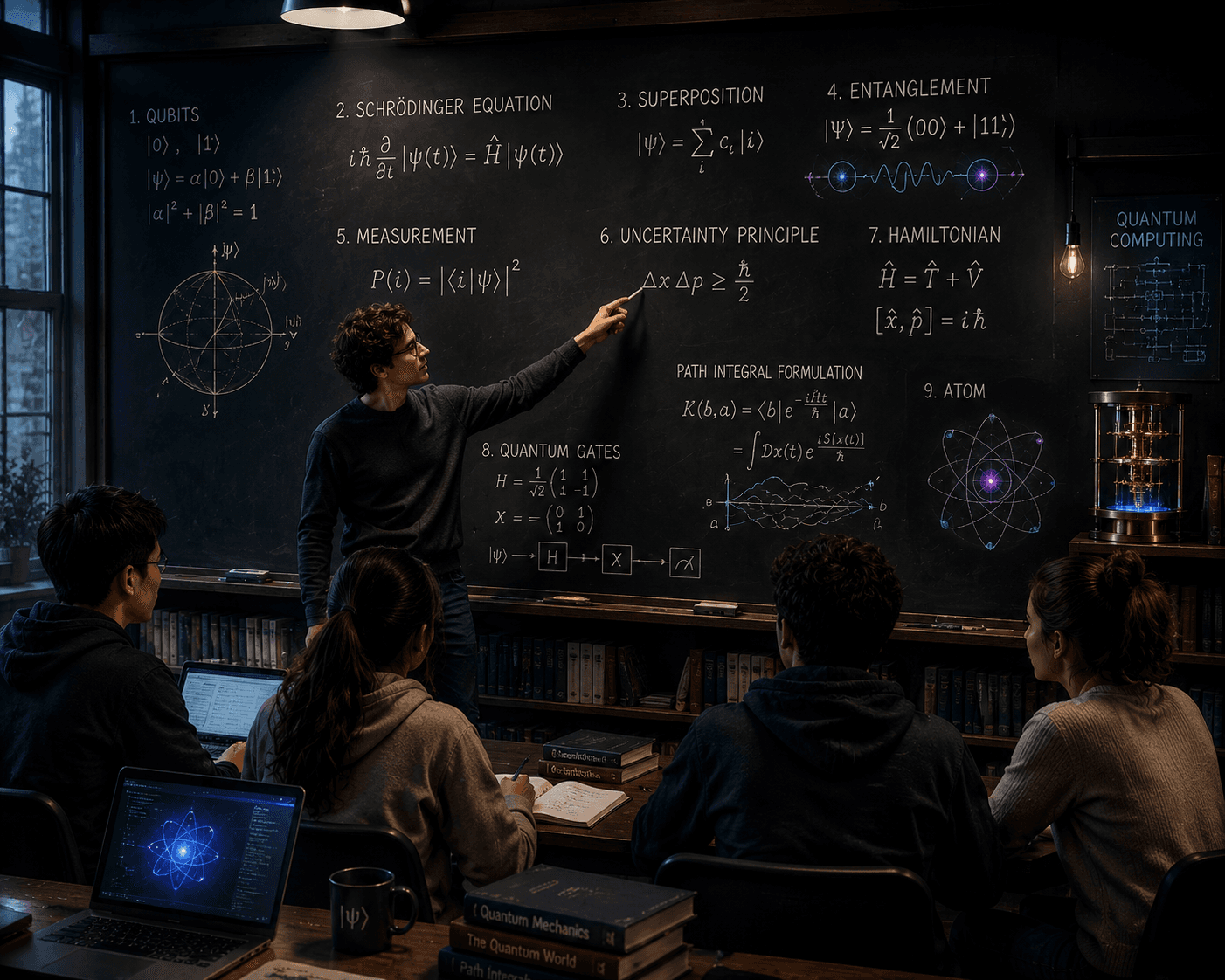
In this section, through Avanama’s educational courses, you can learn the fundamentals of quantum mechanics and quantum computing in a specialized way using the world’s best educational resources!
در این دستهبندی ویدیوهای آموزشی قرار میگیرند.

This course focuses on teaching and implementing some of the most important and well-known quantum computing algorithms using the Qiskit library. The content is based on educational videos published on IBM’s official YouTube channel and helps learners gain practical familiarity with running quantum algorithms in Qiskit and understanding how the library is used in quantum programming.
This course is part of MIT’s educational content on quantum physics and is taught by Professor Allan Adams. It introduces the fundamental concepts of quantum mechanics in a structured, step-by-step manner, helping learners develop a clear understanding of the basic principles and conceptual framework of the field. The course is suitable for those who want to build a stronger foundation in quantum physics and continue their studies in this area at a more advanced level.
This course explores the fundamental concepts of quantum optics with a focus on the behavior of single photons and is taught by Professor Alain Aspect. Throughout the course, learners are introduced to the quantum nature of light, the properties of single photons, photon measurement and detection, quantum interference, and several important experiments in quantum optics. It is suitable for those with a basic background in quantum physics and optics who want to develop a deeper understanding of light at the single-photon level.
This course introduces the concepts and methods of quantum machine learning, focusing on the connection between quantum computing and machine learning algorithms. Throughout the course, learners become familiar with the main ideas of the field, the use of quantum systems in machine learning problems, and several important approaches and algorithms. The course is suitable for those interested in the intersection of artificial intelligence and quantum technologies and in exploring emerging computational methods.
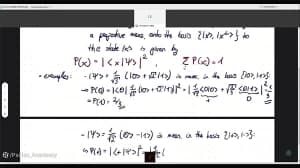
This course, part of IBM’s Summer School program, focuses on the fundamentals of quantum computing and practical work with the Qiskit library. Throughout the course, learners are introduced to key quantum computing concepts while also gaining hands-on experience with building and running quantum circuits using Qiskit tools. It is suitable for those who want to combine theoretical foundations with practical skills in quantum programming and algorithm implementation.
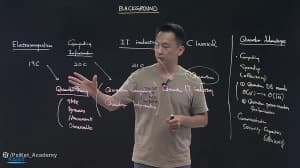
This course introduces the fundamental concepts of quantum information and helps learners understand how information can be represented, processed, and transmitted in quantum systems. Throughout the course, key topics such as qubits, quantum states, measurement, entanglement, and the differences between classical and quantum information are explored. It is suitable for those who want to build a foundation in one of the core areas of quantum science and technology and prepare for further study in fields such as quantum computing and quantum communication.
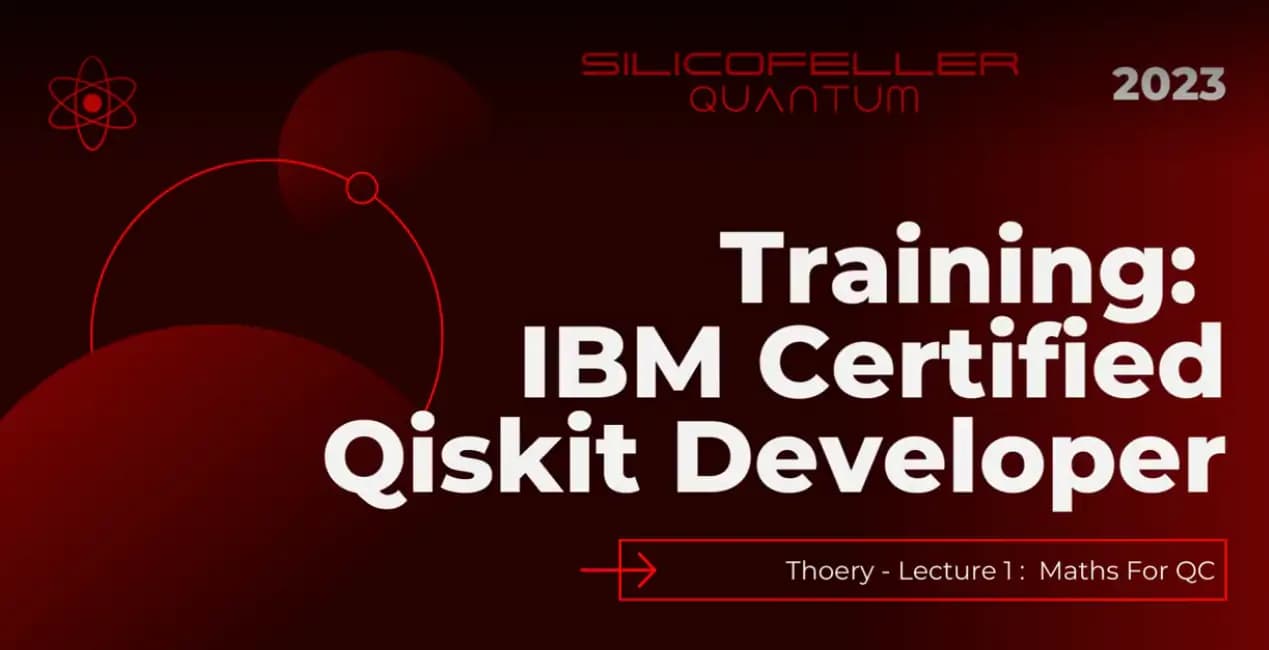
This course introduces the fundamentals of quantum computing with a focus on practical work using the Qiskit library. Throughout the course, learners become familiar with basic quantum computing concepts, quantum circuits, quantum gates, and the implementation and execution of simple quantum programs in Qiskit. It is suitable for beginners who want to start learning quantum computing while gaining both theoretical understanding and hands-on experience in quantum programming.
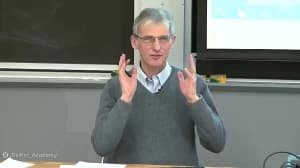
This course explores key concepts in optics and atomic physics and is taught by Professor Wolfgang Ketterle of MIT. Throughout the course, learners study the behavior of light, light–matter interactions, atomic structure, and several fundamental phenomena in atomic and optical physics. It is suitable for those who want to develop a deeper understanding of the physics of light and atoms and build a foundation for more advanced studies in optics, atomic physics, and quantum technologies.
This course explores the fundamental concepts of quantum optics with a particular focus on two-photon and multiphoton phenomena, and is taught by Professor Alain Aspect. Throughout the course, learners are introduced to topics such as the quantum nature of light, photon correlations, entanglement, and several important experiments and phenomena in quantum optics. It is suitable for those with a basic background in quantum mechanics and optics who want to develop a deeper understanding of light in the quantum regime and the behavior of multiphoton systems.

This course introduces the core concepts of quantum mechanics through lectures by Leonard Susskind of Stanford University. Throughout the course, learners explore the fundamental principles and framework of quantum mechanics, including quantum states, measurement, and other key ideas of the theory. The course emphasizes building a clear conceptual and intuitive understanding of quantum mechanics and is suitable for those who want to study the foundations of the subject in a structured and deeper way.

This course, based on educational content from IBM Quantum, focuses on working with Qiskit Runtime. Throughout the course, learners become familiar with running quantum programs and algorithms through the Qiskit Runtime infrastructure, managing circuit execution more efficiently, and using its features for practical quantum computing tasks. It is suitable for learners who already have a basic understanding of Qiskit and quantum programming and want to develop more practical experience with executing quantum workloads on IBM Quantum.
This course, based on educational content from IBM Quantum, focuses on programming with Version 1 of the Qiskit library. Throughout the course, learners become familiar with Qiskit’s structure and capabilities, building and running quantum circuits, and using its tools to develop quantum programs. It is suitable for those who want to gain practical experience with Qiskit or update their knowledge to work with the features and structure introduced in Qiskit Version 1.
This course explores the classical cryptographic methods, particularly RSA. Throughout the course, learners are introduced to the main ideas behind quantum algorithms, the basic structure of RSA cryptography, and the potential impact of quantum computing on the security of such cryptographic systems. It is suitable for those who want to better understand the connection between quantum computing, algorithms, and information security.
This course builds on the fundamentals of quantum mechanics and explores more advanced concepts and methods in the field. In this series, Professor Barton Zwiebach of MIT presents higher-level quantum mechanics topics through a structured and analytical approach. The course is suitable for learners who already have a basic understanding of quantum mechanics and want to develop a deeper and more comprehensive grasp of its theoretical framework and applications.
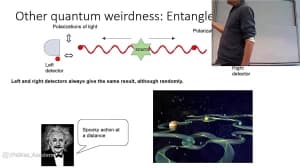
This course introduces the fundamental concepts and basic principles of quantum computing. Learners become familiar with key ideas such as qubits, quantum states, entanglement, quantum gates, and quantum circuits, while developing an initial understanding of how quantum computing differs from classical computing. The course is suitable for those who want to begin learning quantum computing at an introductory level and build a solid foundation for further study in the field.
This course, part of IBM’s Summer School program, introduces the concepts of quantum machine learning and their implementation using the Qiskit library. Throughout the course, learners explore the main ideas of the field, how machine learning methods can be combined with quantum circuits and algorithms, and several practical applications. It is suitable for learners with a basic understanding of quantum computing and machine learning who want to gain more hands-on experience with quantum machine learning in Qiskit.