Quantum Teleportation: From Fidelity Limitations to Improved Performance in the Presence of Noise
Webinar contents
1
Webinar Summary

Held
Educational WebinarLevel: Beginner
Quantum Teleportation: From Fidelity Limitations to Improved Performance in the Presence of Noise
Quantum teleportation is one of the fundamental protocols in quantum information science. It enables the transfer of unknown quantum states without physically transporting the system carrying them, by exploiting entanglement and classical communication. Among the various approaches, continuous-variable quantum teleportation offers significant experimental advantages due to its compatibility with conventional optical and telecommunications equipment. However, achieving high fidelity remains one of its major challenges.
This presentation aims to introduce an approach to improving teleportation performance by increasing both fidelity and success probability. To this end, using a scheme based on multimode interference and three-dimensional entangled resources, continuous-variable quantum teleportation is decomposed into a set of discrete-variable teleportation processes. Furthermore, since noise is one of the fundamental challenges in implementing quantum protocols under real-world conditions, the performance of the proposed scheme is systematically investigated in the presence of three types of quantum noise channels. The results show that this method not only improves teleportation fidelity and success probability but also demonstrates acceptable robustness against the noise types considered. These findings may contribute to identifying strategies for enhancing the performance and robustness of quantum teleportation protocols under non-ideal conditions
2
About Teacher
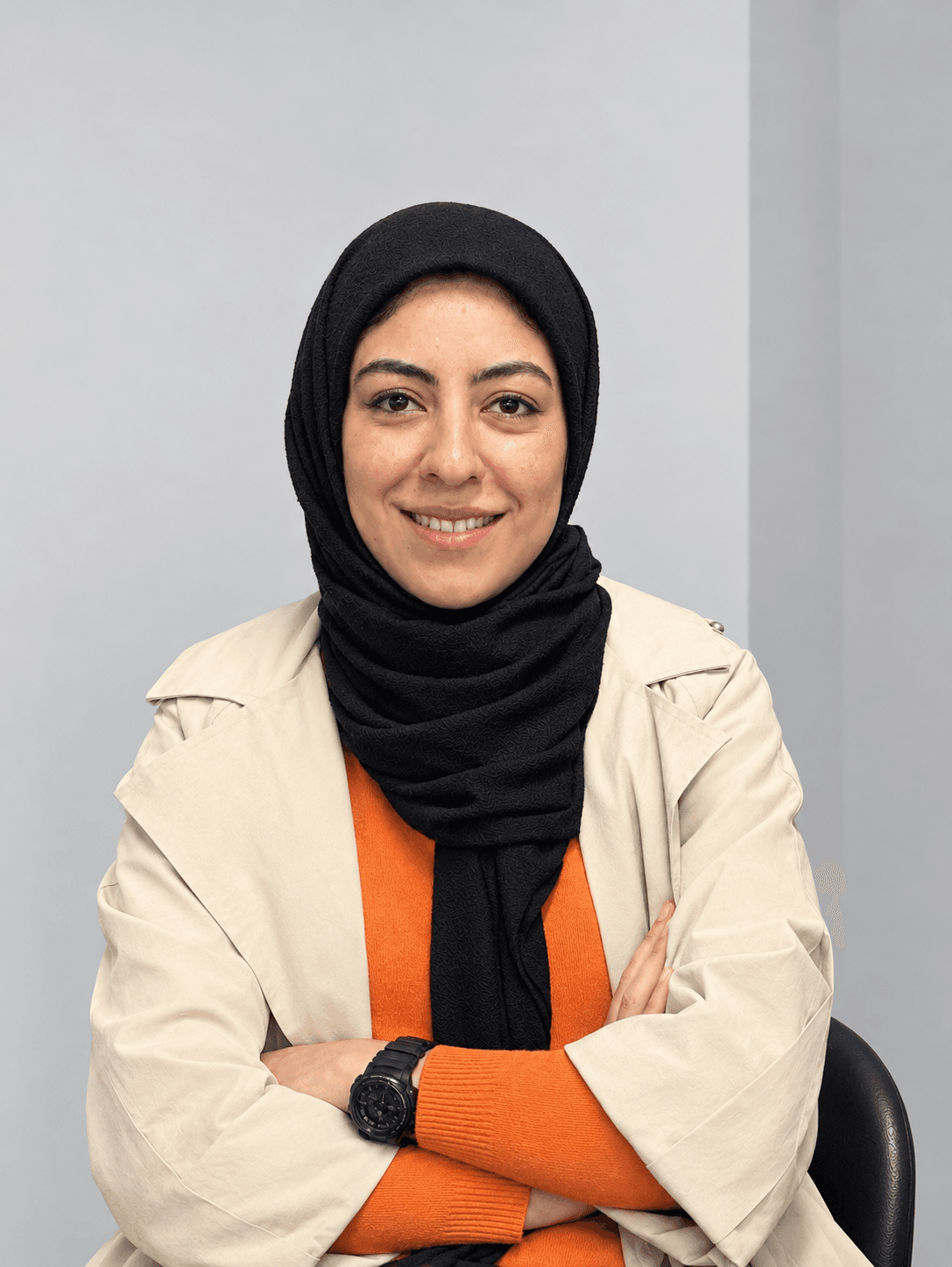
Dr. Fatemeh Taghipour
Adjunct Professor, Shahid Bahonar University of Kerman
Ph.D. in Optical and Laser Physics, Shahid Bahonar University of Kerman
Researcher in Quantum Information, specializing in continuous-variable quantum teleportation
3
Event information
- Webinar audience
- Students and graduates in Physics, Electrical Engineering, Photonics, Optics, and other related fields.
- Event date
- Event time (Tehran time)
- 20:30
4
Watch Webinar Recording
Video in preparation
The webinar recording will be available soon