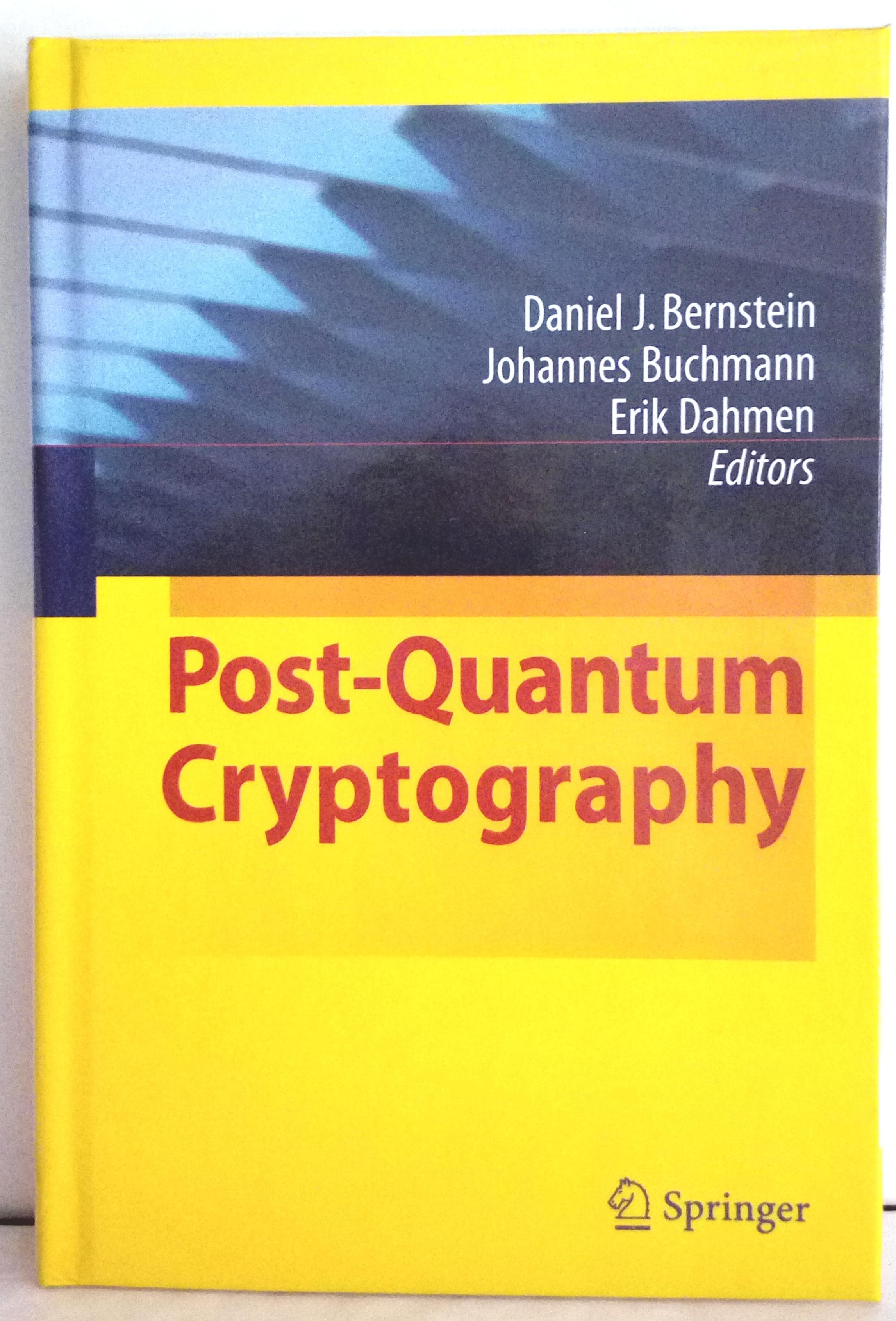
Post-Quantum Cryptography explores cryptographic algorithms and mathematical structures designed to remain secure against attacks from quantum computers. The development of quantum computing, particularly algorithms such as Shor's algorithm, poses a significant threat to widely used public-key cryptographic systems, including RSA, DSA, and ECDSA. The book introduces alternative cryptographic approaches whose security relies on mathematical problems believed to be resistant to quantum attacks. The volume covers four major families of post-quantum cryptography: hash-based cryptography, code-based cryptography, lattice-based cryptography, and multivariate public-key cryptography. It examines their mathematical foundations, algorithmic constructions, security considerations, and implementation issues. A dedicated chapter on quantum computing provides the background necessary to understand the impact of quantum algorithms on conventional cryptographic systems. Contributions from researchers specializing in different areas of cryptography make this volume a valuable reference for understanding the foundations and development of post-quantum cryptographic techniques. By combining mathematical theory with implementation considerations, the book serves as an academic resource for graduate students, cryptography researchers, and information security professionals interested in quantum-resistant cryptographic systems. In terms of theoretical and mathematical foundations, this book serves as a valuable and authoritative resource for the study of post-quantum cryptography; however, it should be viewed as a foundational and historical text rather than an up-to-date reference for post-quantum cryptographic standards. Its primary value lies in the insight it provides into algorithmic families, security assumptions, and the historical development of this field.